219d8b7a-0c56-407e-aa43-4f780f8bbb72

HOW IS A SOLAR POWER PLANT (SPP) PROJECT DESIGN AND PLANNING DONE?

How to Design and Plan a Solar Power Plant Project? A Guide to Site Selection, Engineering, Simulation, and Implementation Phases.

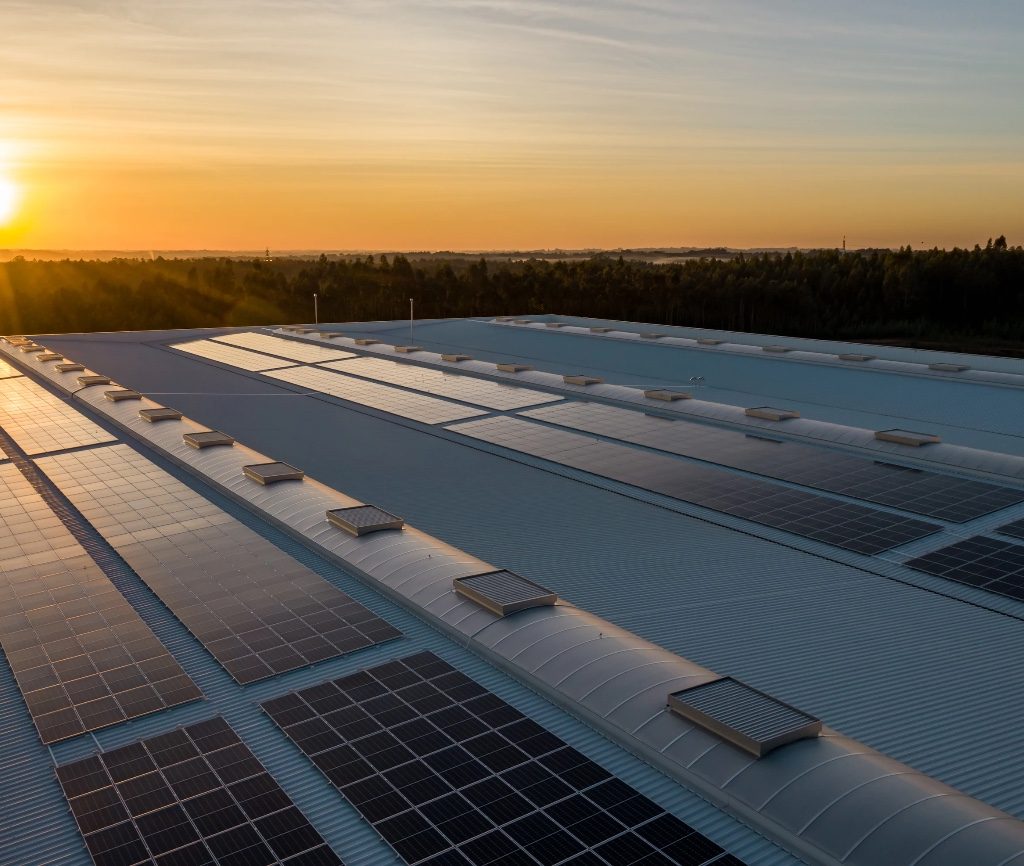
Ground-mounted solar power plant (GPP) projects are large-scale strategic projects in terms of high-capacity energy production and return on investment. However, the success of these systems is not solely dependent on the procurement of panels and inverters. True success is achieved through correct site selection, feasibility analysis, engineering design, simulation verifications, legal permits, and proper financial planning. In this article, we will examine the design processes of ground-mounted GPP projects step-by-step from a technical perspective.

1- Site Selection and Analysis

In ground-mounted solar power projects, the correct site selection directly affects the annual energy production. This stage is fundamental to the design. Analyses to be performed during site selection include:

Irradiation Data: Annual sunshine duration, GHI (Global Horizontal Irradiation), and DNI (Direct Normal Irradiation) values ​​are examined according to meteorological data.
Terrain Structure: Flat, unshaded, wide, and homogeneous terrain is preferred.
Infrastructure Suitability: Criteria such as distance to the grid, road access, proximity to transformer substations, and access to water are evaluated. Note: These analyses are generally performed using databases such as PVGIS, SolarGIS, and Meteonorm.

2- Power Detection

Physical Space Analysis (Panel Accommodation): The total area of ​​panels that can be installed is determined. A rough power estimate can be made by considering the surface area and installed power (e.g., 550 Wp) of each panel.

Formula:

Installed Power (kWp) ≈ Total Area (m²) × Panel Placement Efficiency × Panel Power (Wp) ÷ 1000

For ground-mounted solar power, approximately 12,000–13,000 m² is required for ~1 MWp.
For rooftop solar power, the usable area of ​​the roof is reduced according to the static load.
Consumption-Oriented Power Determination (in Self-Consumption Solar Power Plants) is also performed in projects. It is used for systems that will only meet their own consumption without selling to the grid.

Formula:

Annual Consumption (kWh) ÷ Annual Production Coefficient by Region (kWh/kWp)

In Turkey, this coefficient is generally in the range of 1350–1650 kWh/kWp/year.

According to legal limits, power determination for rooftop solar power plants, within the scope of EPDK and TEDAŞ regulations, cannot exceed the contracted power of the subscriber they are connected to (e.g., for a 160 kVA subscriber, the maximum is 160 kWp solar power plant). For ground-mounted solar power plants, in permitted areas such as non-agricultural land, industrial plots, or energy fields, it is limited according to EPDK’s unlicensed installation limits (e.g., 5 MW, 10 MW, etc.).

3- Technical Feasibility Studies

After site selection, the technical and economic feasibility of the system is analyzed. This analysis involves the following steps:

A list of equipment such as solar panels, inverters, transformers, cables, and switchboards is created.
The placement plan and orientation of the panels, and the string distribution per inverter are determined.
Annual production estimates are calculated using PR (Performance Ratio) values. System losses (cabling, temperature, inverter efficiency, etc.) are modeled.
4- Engineering Design

At this stage, the electrical and mechanical design of the solar power plant is carried out based on field data.

The electrical design includes the following processes:

String inverter or central inverter configuration
DC cabling, AC cabling, grounding plan
Transformer power, medium voltage cells, grid connection
LV and MV single-line diagrams, selection of protection devices
SCADA systems and remote monitoring infrastructure
The mechanical design includes the following processes:

Selection of panel support system (aluminum construction)
Wind load, snow load, soil bearing capacity
Foundation type (driven piles, concrete blocks, screw systems)
Panel mounting angle and inter-row shadow analysis

5- Solar Power Plant Simulations: Which Software is Used?

Various simulation programs are used to test the technical accuracy of projects. The most common tools are:

PVsyst: The most widely used simulation software in the industry for production analysis, system losses, and PR calculations.

Helioscope: Used for panel placement, shadow analysis, and site optimization.

AutoCAD, SketchUp: Preferred for planning and site drawings.

ETAP or DIgSILENT PowerFactory: Used at the MV level for electrical grid integration calculations.

These simulations verify the predicted production of the system and evaluate the suitability of the design.

6- İzin ve Onay Süreçleri

The solar power plant to be established must comply with regulations and obtain permits from official authorities. Generally, the required documents are as follows. Since these may vary from region to region, the relevant institution may request different documents.

Environmental Impact Assessment (EIA) report or exemption letter
Connection opinion and call letter (Electricity Distribution Company)
Project approval file (single-line diagrams, loading reports, etc., in accordance with TEDAŞ regulations)
Zoning permit, title deeds, and land use permits

7- Cost and Financing Planning

The investment cost of solar power projects depends on many factors, such as the quality of the equipment to be used, the difficulty of installation, and the connection distance. Financial planning should include the following elements:

Design and planning costs
Costs of panels, inverters, transformers, switchboards, and medium-voltage equipment
Installation and labor costs
Commissioning and testing fees
Annual maintenance/operating expense estimates
Financing sources such as loans, grants, Renewable Energy Support Mechanism (YEKDEM) incentives, and leasing

Considerations in Solar Power Plant (SPP) Project Design

Compliance with Legal Regulations: The project must be designed and implemented in accordance with EPDK (Energy Market Regulatory Authority) and relevant regulations.

Correct Product & Technology Selection: Panel type (monocrystalline, bifacial), inverter (on-grid, central), and battery technologies should be determined according to the regional climate and investment objectives.

Engineering Supervision: All processes must be supervised by experienced electrical and civil engineers.

Maintenance and Operation Planning: A regular maintenance program should be established after the system is commissioned, and a production monitoring infrastructure should be set up.

What is needed for a successful ground-mounted solar power plant?

A successful ground-mounted solar power plant project is possible with the right site selection, well-designed engineering, verified simulation data, and appropriate financing. Working with expert teams at every stage of this process optimizes not only energy production efficiency but also the return on investment.

A successful ground-mounted solar power plant project is possible with the right site selection, well-designed engineering, verified simulation data, and appropriate financing. Working with expert teams at every stage of this process optimizes not only energy production efficiency but also the return on investment.

7db0f4a5-24ef-4715-b6d6-9d56d3319279

COMPENSATION IN SOLAR POWER SYSTEMS (SPP)

While solar energy systems are at the heart of the renewable energy transition, another crucial issue arises in ensuring sustainable energy quality: reactive power management. Photovoltaic (PV) systems, by their nature, tend to generate reactive power, particularly capacitive power, when connected to the grid. This can create voltage imbalances, energy losses, and potential grid damage in systems operating with inductive loads.

Reactive Power Problem in Solar Power Plants

DC power from PV panels is converted to AC via inverters. During this conversion process, a capacitive reactive power component is generated due to the inverter’s structure. On the other hand, the vast majority of industrial loads (e.g., asynchronous motors) are inductive in nature and therefore draw reactive power from the grid. If these two opposing reactive characteristics are properly controlled, a balancing mechanism can be established. The capacitive reactive power generated by solar power systems can suppress the reactive power drawn by inductive loads.

Why is reactive power important in photovoltaic (PV) systems?

Unlike traditional motor-driven loads, photovoltaic systems do not directly generate inductive load. However, capacitive reactive power can occur due to the structure of the inverters and the loads they are connected to. Furthermore, in PV systems operating in parallel with the grid, a certain percentage of reactive power support has become mandatory to ensure grid stability (e.g., according to TEİAŞ and TEDAŞ regulations).

Reactive Power Problems in Solar Energy Systems:

Capacitive characteristics originating from the inverter

Voltage surges occurring over long cable distances

Extra load on the transformer due to reactive power imbalance

Reactive power penalty fees charged by distribution companies

Reactive Power Management in Solar Power Plant and Grid Interaction: Three Basic Scenarios

Scenario 1: The Facility’s Active Power Demand is Higher Than the Solar Power Generation.

When a business’s instantaneous active power requirement exceeds the solar power plant’s (SPP) production capacity, a portion of the load is met by the SPP while the remainder is supplied directly from the grid. In this scenario, since the system is still considered a grid-connected consumer, compliance with the current reactive power limit values ​​continues.

However, as SPP production increases and the active power drawn from the grid decreases, the Qend/P ratio can rapidly rise, exceeding the 20% limit. This exposes the business to penalty tariffs due to inductive reactive energy limit violations. This situation becomes particularly critical during daylight hours when SPP production reaches its maximum. In the industry, this negative effect is often referred to as the “daylight effect” or, more strikingly, the “daylight nightmare.”

Scenario 2: The Situation Where Solar Power Generation Exceeds Plant Demand.

If the solar power plant’s (SPP) production capacity fully meets its operating load and the surplus is transferred to the grid, the plant acts as both a consumer and a producer. In this case, if the active power consumption is close to zero or negative, the method of measuring reactive power via the meter becomes more complex.

In this situation, reactive power compensation must be managed dynamically depending on which direction the meter is measuring (internal load or grid). Otherwise, a fixed compensation system setting can lead to exceeding limits and incurring penalties.

Scenario 3: Hours When the Solar Power Plant is Not Producing Energy (Night)

At night, when there is no solar radiation, solar power generation drops to zero, and the entire energy needs of the facility are met from the grid. However, as long as the inverters remain operational, the capacitive character of the system becomes dominant. In this case, if the compensation system is still operational and does not activate appropriate inductive loads, the system may exceed the capacitive reactive energy limit and be subject to penalties.

Therefore, considering the night operation scenario, dynamically configuring the compensation panel according to both day and night conditions is critical for system safety and eliminating the risk of penalties. Shunt reactors or inductive loads should be activated for reactive power balancing when necessary.

    How is compensation performed in solar power plant (SPP) applications?

    Compensation applications in PV systems differ from those in conventional industrial facilities. The primary goal here is to balance both capacitive and inductive loads. The following methods are used:

    a) Automatic Compensation Panels

    An automatic reactive power compensation panel installed at the PV connection point (switchyard or MV cell) activates capacitor or reactor stages according to the load condition. The reactive power relay operates to maintain the cosφ value at 0.99.

    b) Harmonic Filter Compensation

    The switching structure of PV inverters generates harmonics. To prevent these harmonics from resonating with capacitors, harmonic filter compensation should be applied. Typically, detuned reactors adjusted to the 189 Hz – 210 Hz range are used.

    c) Shunt Reactors

    If capacitive power is dominant in the system, cosφ > 1 may occur when the active load is low. In this case, capacitive reactive power balancing is performed using a shunt reactor. Especially at night, when there is no load in solar power plants, even though the inverter is not generating energy from DC, the capacitive character may persist on the AC side.

    d) Thyristor Controlled Compensation

    In PV-Diesel hybrid systems with sudden load changes or grid instabilities, fast switching thyristor compensation systems (TCR) are preferred.

    f1fde302-98d1-44d5-acfd-3c0d697ee727

    WHAT IS A SOLAR LAMP?

    What is a solar lamp, where is it used, and for what purposes?

    With the decrease in dependence on foreign sources for energy production and the increase in the use of renewable resources, solar-powered lamps have begun to be evaluated in various fields. Thanks to their structure that does not require an electrical grid, these systems both eliminate the need for infrastructure and help to limit environmental impacts.

    This type of lighting, also called a solar lamp, generates electricity using direct sunlight and stores the energy obtained in its batteries. The system activates during nighttime hours when lighting needs are high, providing the user with a continuous light source. Its suitability for both individual and public use increases the flexibility of solar lighting systems.

    What is a solar-powered lamp?

    A solar-powered lamp is a technology that operates independently of the electricity grid, providing lighting using energy derived from sunlight. The system essentially consists of three main components: a photovoltaic panel, a rechargeable battery, and an LED lamp.

    During daylight hours, the panel converts sunlight into electrical energy, feeding the battery. The energy stored in the battery activates the lamp when darkness falls. In models equipped with automatic sensors, this switching occurs without human intervention. Thanks to LED technology, long-term use is possible with low energy consumption. In regions where installing electrical infrastructure is difficult or costly, solar lamps are preferred for their functionality.

    How does a solar lamp work?

    The operating principle of solar lamp systems is based on photovoltaic technologies. The solar panel on the system converts light energy into direct current thanks to silicon cells. This energy is transferred to a rechargeable battery via an internal control circuit. Smart control boards prevent overcharging and discharging of the battery, extending the system’s lifespan.

    When the ambient light drops below a certain level in the evening, a light sensor activates, turning on the lamp. The LED bulb illuminates the surroundings using the energy stored in the battery. The energy consumed during the night is replenished in the morning as the panel generates energy again. This cycle continues uninterrupted without the need for any external power source. Lithium-ion or nickel-metal hybrid batteries are preferred as battery technology, as these types of batteries are more resistant to charge-discharge cycles.

    Applications of Solar Powered Lamps

    Solar-powered lighting systems can be used in many different environments, whether urban or rural. Garden solar lamps are preferred in landscaping to enhance visual appeal and enable nighttime use. These products generally come with decorative designs and are quite easy to install.

    Street solar lamps are preferred by municipalities and institutions; they are used in areas such as suburban roads, parks, walkways, and service routes. In addition, there are portable solar lamps used in outdoor activities such as camping and mountaineering. Thanks to their lightweight structure and easy portability, they serve as a reliable lighting source in environments where access to power is unavailable. Furthermore, solar lamps can be included in emergency kits, as their off-grid operation provides great convenience during power outages.

    What are its most important advantages?

    One of the most important advantages of solar-powered lamps is that they significantly reduce electricity costs in the long run. Since the system only requires sunlight to operate, it leads to a substantial decrease in energy bills. These products do not require cable laying or electrical wiring during installation. Installation can be completed by fixing them to the surface or burying them in the ground.

    Following installation, no technical intervention is required thanks to the automatically operating system. Furthermore, they are among the environmentally friendly products because they do not produce carbon emissions. Their structure, which reduces fossil fuel consumption, makes them stand out among systems that provide lighting without harming the environment. The absence of mechanical parts reduces the risk of malfunctions and limits maintenance costs.

    6c34c64b-5fde-4532-927a-b45c675cb75f

    WHAT IS A SOLAR CABLE? WHICH CABLES ARE USED IN SOLAR ENERGY SYSTEMS?

    One of the most critical components ensuring the efficient and safe operation of solar energy systems is the often overlooked but vital solar cable. So, what exactly is a solar cable, and what types of cables are used at different points in a solar power plant (SPP)?

    What is a solar cable?

    Solar cable is a type of cable specifically designed and manufactured to safely transmit direct current (DC) electricity produced by solar panels in photovoltaic (PV) systems to the inverter. Its main difference from standard electrical cables is its resistance to the harsh outdoor conditions to which solar energy systems are exposed.

    The essential characteristics of a solar cable are:

    Solar cables, constantly exposed to sunlight like solar panels, have a special outer sheath to protect against wear, cracking, and discoloration caused by ultraviolet (UV) rays. Temperatures can reach extreme levels or, conversely, freezing temperatures in environments where solar panels are installed on roofs or in the ground.

    Solar cables are manufactured to operate without losing performance in a wide temperature range, such as -40°C to +120°C. They are also resistant to weather events such as rain, snow, and wind.
    To maximize safety, solar cables generally have a double-layered insulation structure. This minimizes the risk of electrical leakage and provides extra protection against mechanical impacts. They are manufactured from halogen-free materials that slow the spread of flames in the event of a fire and do not release toxic gases when burned. This is a vital safety feature, especially in building and roof applications.
    Thanks to their structure, which does not obstruct visibility in case of fire and produces little smoke, they facilitate evacuation and intervention operations.
    They are resistant to chemical effects in industrial areas and ozone in the atmosphere.
    These properties generally require solar cables to be manufactured in accordance with international standards such as EN 50618 and TÜV 2 PfG 1169. These standards certify the quality and reliability of the cable.

    Types of Cables Used in Solar Energy Systems

    A solar energy system is not just about solar cables. Different cables with different characteristics are used at different stages of the system. We can basically divide these cables into three main categories:

    1. DC Cables (Solar Cables)

    As explained in detail above, these cables are used in the DC section of the system, i.e., between the solar panels and the inverter. They are called DC cables because they carry the direct current (DC) produced by the panels. They are usually found in cross-sections such as 4 mm², 6 mm², or 10 mm², and choosing the correct cross-section according to the system’s power, the current to be carried, and the distance is critical to preventing energy losses.

    1. AC Cables

    The inverter converts the direct current (DC) from the panels into alternating current (AC), which is used by devices in our homes and industry. This is where AC cables come into play. All connections from the inverter output to meters, distribution boards, and the grid connection point are made with AC cables.

    Although these cables are not exposed to the same harsh outdoor conditions as solar cables, they must be selected according to the current capacity to be carried and voltage drop calculations. Standard low-voltage cables such as NYY or NYM are generally used in this section. Copper or aluminum can be preferred as conductor materials.

    1. Grounding Cables

    In solar energy systems, safety is just as important as efficiency. Grounding ensures that excess electrical load is safely transferred to the ground in case of any electrical leakage or lightning strike. This protects the safety of people and prevents damage to valuable equipment in the system (panels, inverter, etc.).

    The metal frames of the solar panels, the metal construction of the mounting system, and the chassis of devices such as inverters are connected to the grounding line with grounding cables of appropriate cross-section and usually yellow-green in color. Grounding cables are also expected to be resistant to corrosion and external factors.

    Cable Usage According to System Type

    The cables used may also differ depending on whether the solar energy system is connected to the grid (on-grid) or off-grid.

    On-Grid Systems

    In these systems, DC solar cables, AC cables, and grounding cables are used as standard. AC cables provide the connection from the inverter to the bidirectional meter and from there to the electricity grid.

    Off-Grid Systems

    These systems also include battery storage units. Therefore, for connections between the inverter and battery groups, and between the battery groups themselves, battery connection cables with an appropriate cross-section, usually thicker and more flexible, are used. It is essential that these cables can safely carry high currents.

    Choosing the right cable is a fundamental requirement not only for the current performance of a solar energy system but also for its long-lasting, safe, and efficient operation. These “hidden heroes,” which directly affect the quality and safety of the investment, ensure that energy from the sun is integrated into our lives without loss and without problems. Therefore, it is crucial to adhere to the standards and cable types specified by expert engineers during system design and installation.

    17fac19c-cb1c-4408-91dc-d3faa08a2fa5

    HOW TO FIND THE RIGHT SUPPLIERS FOR SOLAR POWER SYSTEM (SPP) INSTALLATION?

    Solar power systems (SPPs), one of the smartest steps in transitioning to renewable energy, offer long-term savings and an environmentally friendly solution for both individual users and businesses. However, the proper functioning of these systems is directly related to choosing the right supplier and installer.

    So, how can you find the most suitable company for SPP installation? Here are three different methods, step-by-step:

    1- Research and interview local solar power and EPC (Electricity Construction Project) companies.

    You can find companies offering solar power services in your city or region by searching online or through referrals, and contact them directly. Meeting with the company in person to get a price quote gives you the chance to ask your questions directly. However, this method is quite time-consuming and doesn’t offer sufficient comparison opportunities.

    Disadvantages: Quotes are generally standard, bargaining opportunities are limited, and regional restrictions may apply.

    2- Sending Quotations to Different Solar Power Suppliers via Email

    Since solar power plant projects generally involve technical details such as engineering, panel selection, and inverter optimization, some users try to obtain quotes from multiple companies by emailing their project details. However, response times from companies are uncertain, and comparison can be difficult.

    Disadvantages: The process is manual, tracking all quotes is difficult, and time can be wasted.

    3- Finding the Most Suitable Suppliers for Your Solar Power Plant Project via Elektraverse

    The fastest and most efficient solution is to use Elektraverse’s AI-powered demand system to submit your solar power plant installation needs to dozens of suitable companies with a single form. With the demand form, which you can fill out in just a few minutes:

    Solar power plant companies suitable for your location and needs are automatically identified. Suppliers send their offers directly to you. You can compare prices, quality, and timelines, and finalize your decision.
    If you want to receive offers for your solar power plant project, fill out the demand form now and let the system find the most suitable companies for you.

    Advantages of the Electraverse Application Form in Solar Power Plant (SPP) Projects

    Electrical and energy projects involve needs that change over time. Today you may only need panels, tomorrow you may need installation, maintenance, or hybrid system solutions. By regularly filling out the request form on Elektraverse:

    You can track price changes and invest at the most opportune time.
    Our AI algorithm recognizes your profile and provides you with personalized company matches.
    You can make more informed investment decisions by comparing your projects with past requests.
    You can easily manage all offers from a single panel.
    Many suppliers can reach you directly with a single form.
    You can be matched with the right companies with AI-powered matching.
    Regardless of the size of your project, you can submit a request for any product or service in the electrical and electronics sector.
    You can make more informed purchases by tracking your request history.
    For a smart offer experience in solar power projects, fill out the request form now and let the system run for you. Solar energy system installation provides high efficiency and long-term gains when done with the right company. While traditional methods waste time and energy, a single application on Elektraverse provides you with dozens of accurate offers from a single point.

    Don’t delay your investment. Make a smart start to your solar power plant installation process by filling out the application form now.

    17fac19c-cb1c-4408-91dc-d3faa08a2fa5

    WHAT ARE THE GOVERNMENT INCENTIVES FOR INSTALLING SOLAR ENERGY SYSTEMS?

    Rising energy costs and climate change mitigation goals are driving both individual and corporate investors towards renewable energy sources. At the heart of this transformation are solar energy systems. Turkey, due to its geographical location, possesses high solar potential, and various government support mechanisms will be in place in 2025 to harness this potential. The differentiated solar energy incentive programs for businesses, farmers, and homeowners aim to accelerate the transition to clean energy by reducing investment costs.

    Solar Energy Incentives Valid in 2025

    Solar energy incentives in 2025 will vary depending on the investor’s profile (SME, farmer, homeowner) and the scale of the investment (rooftop, ground-mounted, energy efficiency).

    KOSGEB Support for SMEs and Industrialists

    The Small and Medium-Sized Enterprises Development and Support Administration (KOSGEB) provides financing opportunities for SMEs’ energy efficiency and renewable energy investments through its “Green Industry Support Program.” Under this program, businesses receive up to 14 million TL in repayable support for installing state-supported solar panel systems on their roofs or integrated into their buildings.

    The support rate is 60%; this rate may increase depending on the region where the investment is made. The repayment process is structured in installments, usually following a 12-month grace period after the investment is completed.

    Large-Scale Industrial Facilities (LSIP)

    The Ministry of Energy and Natural Resources supports energy efficiency investments in industrial facilities through “Efficiency-Enhancing Projects” (VAP). For 2025, the upper limit for these supports exceeds 21 million TL per project. Solar energy installations can also benefit from these supports as part of energy efficiency projects.

    Domestic Production Requirement

    Many incentive mechanisms in 2025 require the use of domestically produced solar cells and panels in the installed systems. In particular, investments that do not receive completion approval by a specific date (e.g., February 28, 2025) and do not use domestically produced components may be excluded from some incentive programs. This is something investors should pay attention to when selecting materials.

    How to Apply for a Solar Panel Grant?

    A grant means non-reimbursable support, and the leading institution in this field in 2025 is the Agricultural and Rural Development Support Institution (TKDK).

    TKDK distributes renewable energy grants to agricultural enterprises and rural tourism facilities in rural areas through the IPARD program, financed by the European Union. The IPARD III program, active in 2025, focuses on these investments.

    The application process steps are as follows:

    TKDK issues a “Call for Project Applications” at specific times of the year. Investors need to follow these dates.

    It is mandatory that the applicant (usually an enterprise registered in the Farmer Registration System) and the location of the project (rural area) meet the IPARD criteria.

    A detailed technical project and financial feasibility report must be prepared for the solar power plant to be established. At this stage, if a connection to the grid is to be made, a “Call for Connection Agreement Letter” must be obtained from the relevant electricity distribution company.

    The project file is first uploaded to TKDK’s online system, and then physically submitted to the provincial coordination office by the specified deadline.

    Projects are reviewed according to technical and financial adequacy and scoring criteria. Projects that receive sufficient points are approved and a grant agreement is signed.

    The investor completes the project using their own resources or by using a solar panel loan. After documenting the expenses, they submit a payment request to TKDK. The grant amount is transferred to the investor’s account after the review process.

    Solar Energy Support for Agriculture and Housing

    Support mechanisms differ significantly in the agricultural and residential segments. The approach and support for agriculture are different.

    Solar Energy in Agriculture (Agricultural Irrigation and Operation)

    The strongest support for the agricultural sector, as mentioned above, is the renewable energy grant program through TKDK (Agricultural and Rural Development Support Institution). Under IPARD (Initiative for Pre-Accession Assistance in Agriculture), grants ranging from 60% to 75% are provided for solar power plant projects that agricultural enterprises will establish to meet their own energy needs (self-consumption). This support can cover investments up to €500,000.

    In addition, public banks such as Ziraat Bank are also developing special, low-interest solar panel loan packages for the use of solar energy in agricultural irrigation.

    Support for Residential Buildings (Rooftop Solar Power Plants)

    Direct grant programs (such as those from TKDK) are not widespread for individual residential buildings. Support in the residential segment is more focused on financing. Individual investors can benefit from “Energy Loan” or “Rooftop Solar Power Plant Loan” packages offered by banks for state-supported solar panel installation.

    Banks such as Ziraat Bankası, Halkbank, and İş Bankası offer special loan programs for homeowners. These loans generally include more favorable interest rates than market conditions and repayment plans with long terms of up to 120 months. This financing reduces the initial cost of the investment and shortens the payback period of the system.

    Government-backed loan and interest-free financing opportunities.

    Financing needs are the biggest obstacle to solar power plant investments. In 2025, two main channels exist to overcome this obstacle:

    KOSGEB Repayable Support (Interest-Free or Low-Interest)

    For SMEs, KOSGEB’s “Green Industry Support Program” is the most attractive financing option. This program is not a grant, but a repayable support. However, its terms are much better than market loans. Businesses can use this support for state-supported solar panel investments up to 14 million TL. The biggest benefit is the 12-month grace period that begins after the investment is completed, and interest-free or very low-interest repayment installments.

    Bank Solar Power Plant Loan Packages

    For residential properties and larger commercial businesses outside the scope of KOSGEB, banks are the main financing option. In 2025, many private and public banks have established dedicated loan departments for renewable energy investments.

    Ziraat Bank offers financing up to 80% of the investment cost and long-term terms with its “Rooftop Solar Power Plant Investment Loan”.

    Halkbank offers “Energy Support Loans” to provide credit for energy efficiency investments to both property owners and tenants.

    İş Bankası finances solar power plant investments for SMEs with packages such as “İş’te Güneş Kredisi” (Business Solar Loan).

    These loans offer more advantageous interest rates compared to standard consumer or commercial loans and are labeled as direct solar panel loans.

    91af4351-5799-4d0f-a482-2fae0c7e318a

    HOW MUCH CAN YOU SAVE ON YOUR ELECTRICITY BILL WITH SOLAR ENERGY?

    How much can you save on your electricity bill with solar energy?

    Rising electricity costs are driving many homeowners and businesses towards alternative energy sources. Among these, using solar energy at home stands out with its potential to generate its own electricity and eliminate bills. While solar panel installation requires an initial investment, it promises a significant reduction in electricity bills in the long run. So, how much can you save on your electricity bill with solar energy?

    How can savings from solar energy be calculated?

    The basic method used to calculate savings from solar energy is based on the net metering (net metering) system. This system calculates the difference between the electricity you produce and the electricity you consume.

    The calculation process works as follows:

    The total consumption (in kWh) on your monthly electricity bill is examined. This determines how large a system you need to install. Using the power (kWp) of the panel system to be installed and the solar potential of your region, the average monthly electricity production (kWh) of the system is calculated.
    At the end of the month, the total electricity produced by the system is compared with the total electricity consumed at home.
    If consumption exceeds production, the difference is purchased from the grid, and only the difference is billed.
    If production exceeds consumption, the excess electricity is fed back into the grid, and this amount is recorded as a credit to be deducted from the following month’s consumption (or sold at a specific price according to legal regulations).
    The savings are the amount directly deducted from your bill. If your system covers your entire consumption, your bill savings (excluding fixed distribution fees) will approach 100%.

    Example of monthly electricity cost with a home solar panel.

    Solar Panel Installation Cost and Payback Period

    The most frequently asked question about saving energy with solar power is how long it takes to recoup the initial investment. Installation costs vary depending on the brand and efficiency of the panel, the inverter technology used, and the complexity of the installation.

    As of 2025, costs for residential systems are generally calculated per kWp (kilowatt-peak). To give an average cost range (depending on the exchange rate), a 1 kWp system installation could cost between $800 and $1200.

    Provinces in Turkey that save energy with solar power

    Solar panel efficiency, and therefore the amount of savings, is directly related to the amount of sunlight received. Turkey is a country with high solar energy potential, but there are differences between regions.

    According to the Ministry of Energy’s Solar Energy Potential Atlas (GEPA):

    Highest Potential

    The Southeastern Anatolia (Şanlıurfa, Mardin, Diyarbakır) and Mediterranean (Antalya, Adana, Mersin) regions have the highest sunshine hours. A panel of the same capacity installed in these provinces will produce more electricity.

    High Potential

    The Aegean (İzmir, Muğla, Aydın) and Central Anatolia (Konya, Kayseri) regions are also in a very good position in terms of efficiency.

    Low Potential

    The Black Sea Region (Rize, Trabzon) has the lowest potential due to high cloud cover.

    This means that a 4 kWp system installed in Antalya will produce more kWh than a 4 kWp system installed in Rize, and the investment will pay for itself faster.

    Do the maintenance costs of solar panels affect savings?

    Solar energy systems have extremely low maintenance costs because they have no moving parts. This positively supports long-term savings calculations.

    The main maintenance requirement is panel cleaning. Especially in dusty or pollen-rich areas, dirt accumulating on the surface of the panels can block sunlight, slightly reducing efficiency. Rain often cleans this naturally. If necessary, a simple water wash once or twice a year is sufficient.

    Technically, the component to check is the inverter. Inverters have an average lifespan of 10-15 years. Considering the total lifespan of the system (25-30 years), an inverter replacement may be needed once within a 25-year savings cycle. This cost is a small item compared to the total savings and does not impair overall profitability.

    03639f72-b0e7-42f6-ad0d-438683a7811c

    DIESEL GENERATORS

    How Diesel Generators Work and Their Applications

    The critical importance of electrical energy in our lives is undeniable. Unexpected power outages disrupt life in everything from the smallest households to the largest settlements. Energy losses can occur in electricity grids due to natural disasters, malfunctions, or human error. Therefore, preventing power outages in critical locations such as hospitals, military facilities, and data centers is ensured through generators. The word generator, derived from the English word “generator,” means an electrical power source.

    Why do we use generators?

    Diesel generators are used to provide backup power during power outages, to transmit power to areas unreachable by the power grid, and to meet sudden power needs. They are critical in areas requiring uninterrupted power, such as hospitals, factories, and data centers. Their portable design also makes them a preferred mobile power source in campsites, construction sites, and disaster areas. They offer a solution in agricultural lands and mountainous regions where grid infrastructure is absent.

    How a Diesel Generator Works

    Diesel generators consist of an internal combustion engine powered by diesel fuel and an alternator that converts this kinetic energy into electrical energy. Due to its self-ignition property, diesel fuel ignites under pressure in the combustion chamber. The energy released from combustion moves the pistons, and this kinetic energy is transmitted to the alternator to generate electricity. Diesel generators are produced in various power levels from 5 kVA to 4000 kVA, in single-phase or three-phase (1 or 3-phase) and parallel operation options. Sound-insulated cabinet options are available to reduce noise levels.

    In short, before explaining the working principle of diesel generators, it is more helpful to understand how generators work in general. Diesel generators, one of the most commonly used types of generators, operate by combining internal combustion engines powered by diesel fuel with alternators that generate electricity. Diesel fuel belongs to the class of fossil fuels and, as in automobiles, reacts with oxygen to initiate the combustion process. This type of fuel has the property of self-ignition. The engine’s operating principle is based on compressing air to increase its temperature, and then injecting and burning diesel fuel at this high temperature. The energy released from combustion moves the pistons, and this mechanical energy is transferred to the alternator. The alternator then converts this kinetic energy into electrical energy to power the system.

    Generator Power Concepts: Prime Power, Standby Power, and Continuous Power

    Generator power ratings are classified as continuous power, prime power, and standby power. Continuous power defines the maximum power at which the generator can operate continuously under a constant load. Standby power refers to the capacity of the generator to support the load by switching on for short periods of operation. Prime power indicates the power level at which the generator can operate for extended periods under variable loads.

    Main Components of a Diesel Generator

    A diesel generator consists of an internal combustion engine, alternator, control panel, fuel tank, and chassis. The governor system regulates the engine speed, while voltage stability is ensured by the alternator voltage regulator. Synchronization control panels contain devices that monitor the generator’s operating parameters. The chassis supports the generator’s weight and reduces vibration with its anti-vibration properties. The cooling system ensures efficient engine operation, while the intercooler component cools the hot air in turbocharged engines.

    The basic components of a generator set include a diesel engine, alternator, control panel, fuel tank, and chassis. Diesel engines are equipped with mechanical or electronic governors (speed regulators) that adjust the fuel quantity in generators. The governor system allows for precise adjustment of the engine speed. The alternator contains an electronic voltage regulator to provide voltage regulation. Control panels can be integrated into the generator chassis or be a standalone unit. These panels include: The generator’s speed, current, voltage, and pump systems are monitored using components such as relays, circuit breakers, current and voltage transformers, contactors, and drives. The chassis is designed to support the diesel generator set and is supported by anti-vibration mounts to reduce vibrations. Additionally, the chassis facilitates the transport of generators thanks to lifting lugs. Generally, in generator sets below 1600 kVA, the fuel tank is integrated into the chassis, while in larger capacity systems, these tanks are located as separate units. Each fuel tank has a level indicator. Cooling of the generators is provided by a radiator system, similar to that in automobiles. This system, along with an expansion tank and cooling fan, allows the generator components to operate at optimum temperatures. To improve diesel engine performance, a turbocharger and intercooler system may also be included. The intercooler cools the air compressed and heated by the turbo, increasing engine efficiency. Intercooler temperatures are continuously monitored on the control panel.

    Basic Control Components of a Diesel Generator

    Control devices used in generators are advanced systems that monitor and manage the performance of both the alternator and the diesel engine. These devices not only read current and voltage values ​​but also monitor all generator parameters via analog and digital inputs/outputs. By sending signals to the voltage regulator and engine governor, they precisely control the generator’s frequency, voltage, and load conditions. Supporting various communication protocols, these systems act as the brain of the generator and have expandable capabilities with PLC programs when needed.

    Diesel Generator Technical Specifications and Maintenance

    Generator technical documentation specifies the brand, model, power ratings, physical dimensions, engine specifications (number of cylinders, displacement, fuel consumption), alternator details (number of phases, number of poles, insulation class), and control device specifications. Regular maintenance is essential for reliable and long-lasting operation of the generator. For malfunctions, support can be obtained from generator repair technicians or technical services.

    What information is found in generator technical documentation?

    Generator technical data sheets initially detail the manufacturer’s name, model, and power rating. Power ratings are generally given as standby power (ESP) and prime power (PRP), expressed in both kVA and kW. Whether the device is enclosed or not, and consequently its dimensions and total weight, are also included in this technical document.

    The sheet then provides information on both the engine and alternator components. The engine section includes technical details such as brand, model, number of cylinders, engine displacement, and the presence of a turbocharger, while performance data such as fuel consumption, rotational speed, exhaust gas temperature, combustion air, and cooling air flow rates are also listed. This technical data is important for engine protection when programming the generator control panel.

    For diesel engines, the fuel compression ratio is specified, while for gasoline engines, the air-fuel mixture ratio is indicated in the technical data sheet. The alternator section includes information such as the alternator’s brand, model, number of phases, number of poles (and consequently, operating frequency), power factor, insulation class, and protection class. The data sheet also indicates the model and type of the alternator’s compatible warning system, i.e., the automatic voltage regulator.

    Applications and Types of Diesel Generators

    Generators range in size from household generators (5 kW, 7.5 kW, 8 kW; normally the power unit should be specified in kVA, but in the market it is referred to as kW. In the literature, generators should always be referred to by their power unit in kVA) to large industrial power units, from 100 kVA to 3150 kVA. Different types exist, including gasoline generators, silent generators, mini generators, portable and mobile generators. Generator rental and portable generator options offer flexible usage advantages. The best generator brands can be chosen according to the needs and available space.

    03639f72-b0e7-42f6-ad0d-438683a7811c

    TECHNICAL DETAILS TO CONSIDER WHEN BUYING A GENERATOR

    Power outages are one of the biggest factors disrupting our daily lives and business operations. Having a reliable generator is the strongest safeguard against planned or unplanned outages, ensuring both home comfort and business continuity.

    However, choosing a generator isn’t as simple a decision as you might think. Many technical details need to be considered, from engine type and sound insulation to fuel efficiency and capacity calculations. A device purchased without considering the correct generator specifications will either be insufficient and unable to activate in critical moments, or it will be excessively powerful and costly, straining your budget.

    How to Calculate Generator Capacity for Home and Business?

    The most important detail to consider when choosing a generator is accurately determining the power you need or may need. Capacity is expressed in kVA.

    Power Detection (Watt)

    First, you need to make a list of all the electrical appliances that must be used while the generator is running. Each appliance’s label (or instruction manual) will indicate how much power (in Watts) it consumes. You should add essential appliances like a refrigerator, boiler, lighting, modem, and TV to the list.

    De-meraj Current (The Most Important Detail)

    Motorized appliances (refrigerators, air conditioners, boilers, water pumps, freezers) draw 2 to 5 times more starting current than their normal operating power when they are first started. If your generator cannot handle this instantaneous high power, it will not be able to start the appliance or it will malfunction.

    For example, a refrigerator that normally consumes 700W may draw 2000W (2kW) of power on its initial start-up. Therefore, calculating based solely on operating power is a major mistake.

    Determining Total Power

    For home use, you should consider the total power of non-motorized devices such as lighting, modem, TV, and boiler. Then, add the starting power of motorized devices.

    For workplaces, computers, servers, production machinery, and air conditioning systems must be taken into account. At this point, obtaining a professional site survey eliminates the risk of choosing the wrong generator.

    Safety Margin

    You should always add a safety margin of 20-25% to the total wattage you find. This is because continuously running the generator at 100% capacity will rapidly reduce the engine’s lifespan.

    Diesel or gasoline? Which generator type is suitable?

    The type of fuel a generator uses directly determines both its performance and operating costs. Both types have their own advantages and disadvantages.

    Advantages of Gasoline Generators:

    They are cheaper.
    They are generally lighter and more portable.
    There is a wide range of options in small capacity models.
    Disadvantages:

    Fuel consumption is much higher than diesel.
    Engine life is shorter (they wear out faster).
    Gasoline is a more volatile and dangerous fuel than diesel, making storage risky.
    Area of ​​Use: Suitable for low-capacity, short-term (1-3 hours a day) and emergency needs. Ideal for camping, gardening, and small businesses.

    Advantages of Diesel Generators

    They are much more efficient; their fuel consumption per kilowatt is 30-50% less than gasoline.
    Their engines are more robust and have a much longer lifespan (thousands of hours).
    They are suitable for intensive and continuous (24/7) operation.
    Diesel fuel is safer to store.
    Disadvantages

    They are more expensive.
    They are heavier and generally noisier (except for enclosed models).
    Areas of Use: Diesel generators are always recommended for full backup in homes, workplaces, apartments, workshops, and anywhere uninterrupted power is needed. In the long run, they pay for themselves through operating costs.

    601ef407-714b-483d-a897-80e0af828445

    HOW TO MAINTAIN A GENERATOR? (GENERATOR MAINTENANCE GUIDE)

    Generators are among the most essential items in almost every aspect of our lives. However, just like a car, they require regular maintenance to function flawlessly when needed. Whether you have a small model for your home or a stationary diesel generator at your workplace, neglecting regular generator maintenance can leave you stranded when you need it most.

    What should the recommended maintenance interval be for a generator?

    The most frequently asked question is when maintenance should be performed. Generator maintenance intervals are determined by two factors: Operating Hours and Time Interval. Generally, whichever comes first is applied.

    Maintenance Based on Working Hours

    For new generators, the first generator oil change must be performed after the initial 20-30 hours of use, which is the engine’s break-in period.

    For portable gasoline generators, a general maintenance check (oil and filter check) is generally recommended every 50 to 100 operating hours.

    For larger capacity diesel generators, this interval may vary between 150 and 250 hours, depending on the user manual.

    Maintenance Based on Time Interval (Even If Not Used)

    Even if your generator is not used, it should be run under load (with a device connected) for 15-20 minutes at least once a month. This charges the battery, lubricates the internal engine parts, and delays fuel deterioration.

    Even if your generator hasn’t been used at all during the year, the engine oil, filters, and battery condition should be checked and replaced if necessary at least once a year. Oil that has been sitting idle can lose its properties.

    Note: If the generator is operating in a very dusty, humid, or dirty environment, the maintenance interval should be shortened, and the air filter should be checked more frequently.

    Oil is the lifeblood of the engine. Low oil levels can cause the engine to overheat and “seize” (complete engine failure).

    Always check the oil level using the dipstick before starting the generator. Ensure the generator is on a level surface.

    How to Change Oil?

    We’ve already mentioned the importance of oil changes. Changing the oil is quite easy. You can easily do it by following the steps below:

    Run the engine for 5 minutes to warm it up (to allow the oil to become more fluid).
    Stop the engine and open the oil drain plug to drain the old oil into a reservoir.
    If there is an oil filter, remove it and replace it with a new one (lightly apply new oil to the gasket of the new filter).
    Close the plug and fill with new engine oil of the type specified by the manufacturer (e.g., 10W-30).
    Check the level with the dipstick; it should not be too low or too high.

    Air Filter Check (Generator Filter Cleaning)

    A clogged air filter prevents the engine from breathing. This increases fuel consumption, reduces engine power, and causes black smoke to be emitted from the exhaust.

    Remove paper filters and hold them up to the light. If dirty, gently tap them on a hard surface to remove dust. Never wash them with air or water. Replace them immediately if they are very dirty or torn.

    Sponge filters are more suitable for generator filter cleaning. After washing them with soapy water and drying them completely, you can lightly moisten them with engine oil (if specified in the manual) and put them back in place.

    The fuel filter filters dirt, rust, and water particles from the fuel coming from the tank, ensuring that clean fuel reaches the carburetor or injection system.

    A clogged fuel filter causes the engine to misfire or not start at all.

    Fuel filters are generally not cleaned; they are replaced with new ones during generator maintenance (usually once a year).

    Maintenance Tips to Extend Generator Life

    In addition to regular filter and oil changes, you should pay attention to the following recommendations to maximize the life of your generator:

    Gasoline becomes stale and resinous if left for more than 30 days. This can clog the carburetor. If you will not be using the generator for a long time, add a “fuel stabilizer” to the tank or completely empty the tank and fuel line.

    The battery is especially important in electric start generators. Monthly test runs keep the battery charged. Also, make sure the terminals are clean and free of corrosion (oxidation).

    Keep the exterior of the generator, especially the air intake/outlet grilles, clean. Oily dirt and dust accumulating around the engine reduce cooling efficiency and lead to overheating.

    Every generator has a maximum capacity (kVA/kW). Pushing the generator beyond its capacity overloads the alternator (the part that generates electricity) and the engine, which can lead to voltage fluctuations and permanent damage.

    When not in use, the generator should be stored in a dry, well-ventilated place, and preferably covered.